Level 1-Little by Little: Helping Mandarin Grow Naturally at Home
As the founder of Herts Mandarin and also a mother, I am often asked by parents:
“What else can we do at home to support our children’s Mandarin learning besides the weekly lesson?”
Especially for children aged 4–6, this is a golden stage for language development.
At this stage, what matters most is not how many characters they recognize, or how many worksheets they complete, but rather building a sense of language, expanding vocabulary through rich and consistent input, and nurturing a genuine interest in Mandarin.
That is why we have created a dedicated learning app for Level 1 learners. Through picture books, audio, songs, videos, and cartoons, we hope children can continue to be exposed to Mandarin in a relaxed and joyful way.
Learning Goals for Level 1
Level 1 is the very beginning of a child’s Mandarin learning journey.
At this stage, we aim to help children:
Develop interest in learning Mandarin
Build a natural sense of the language
Learn basic vocabulary and expressions
Improve listening comprehension
Prepare for future reading and character recognition
For children growing up overseas, weekly class time alone is never enough.
Language development requires repeated and abundant exposure.
The more children hear Mandarin, the more naturally they will understand and eventually express it.
So the core idea behind our app is very simple:
Let Mandarin naturally become part of a child’s everyday life.
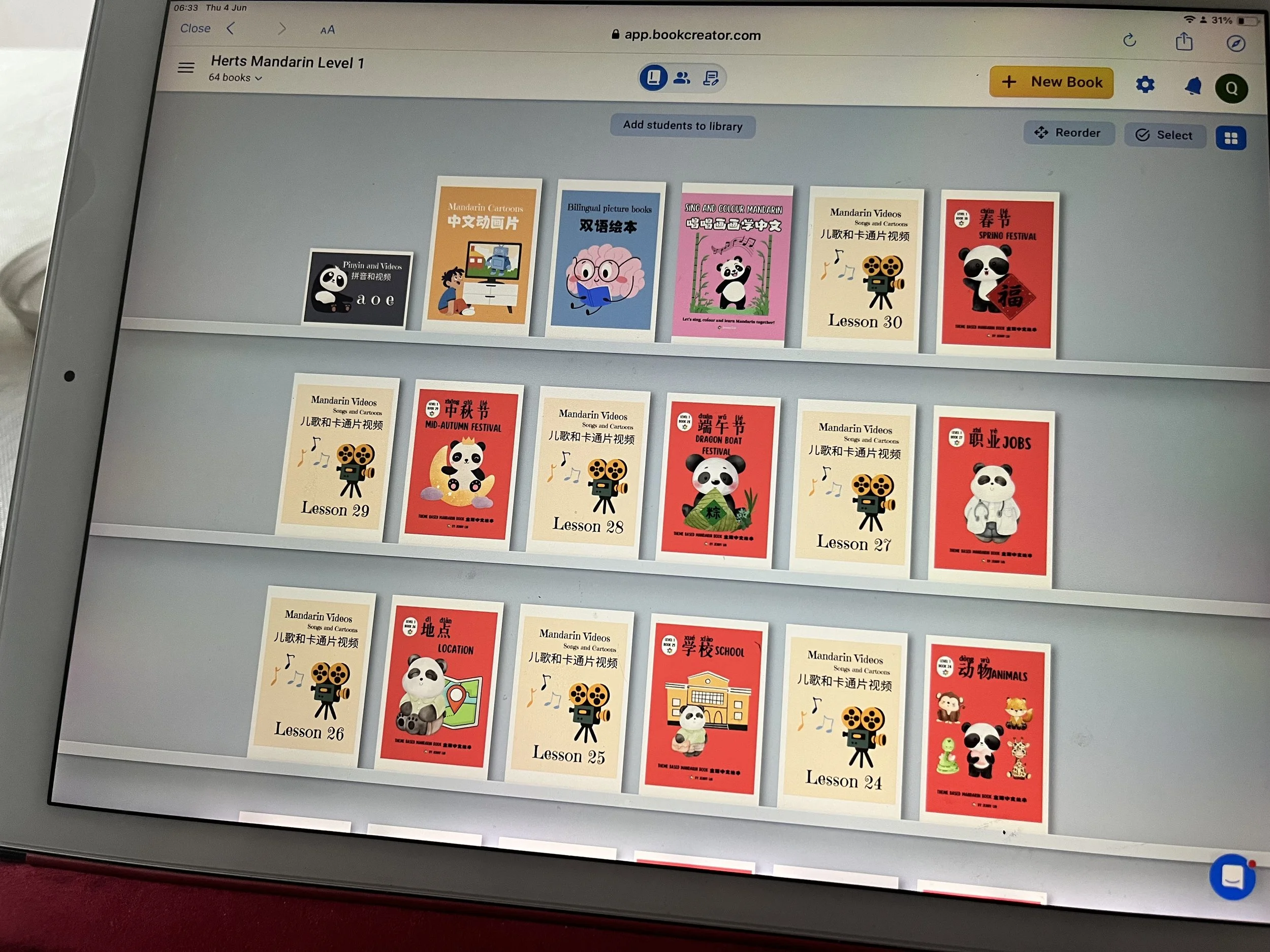
Part 1: 30 Themed Picture Books with Audio
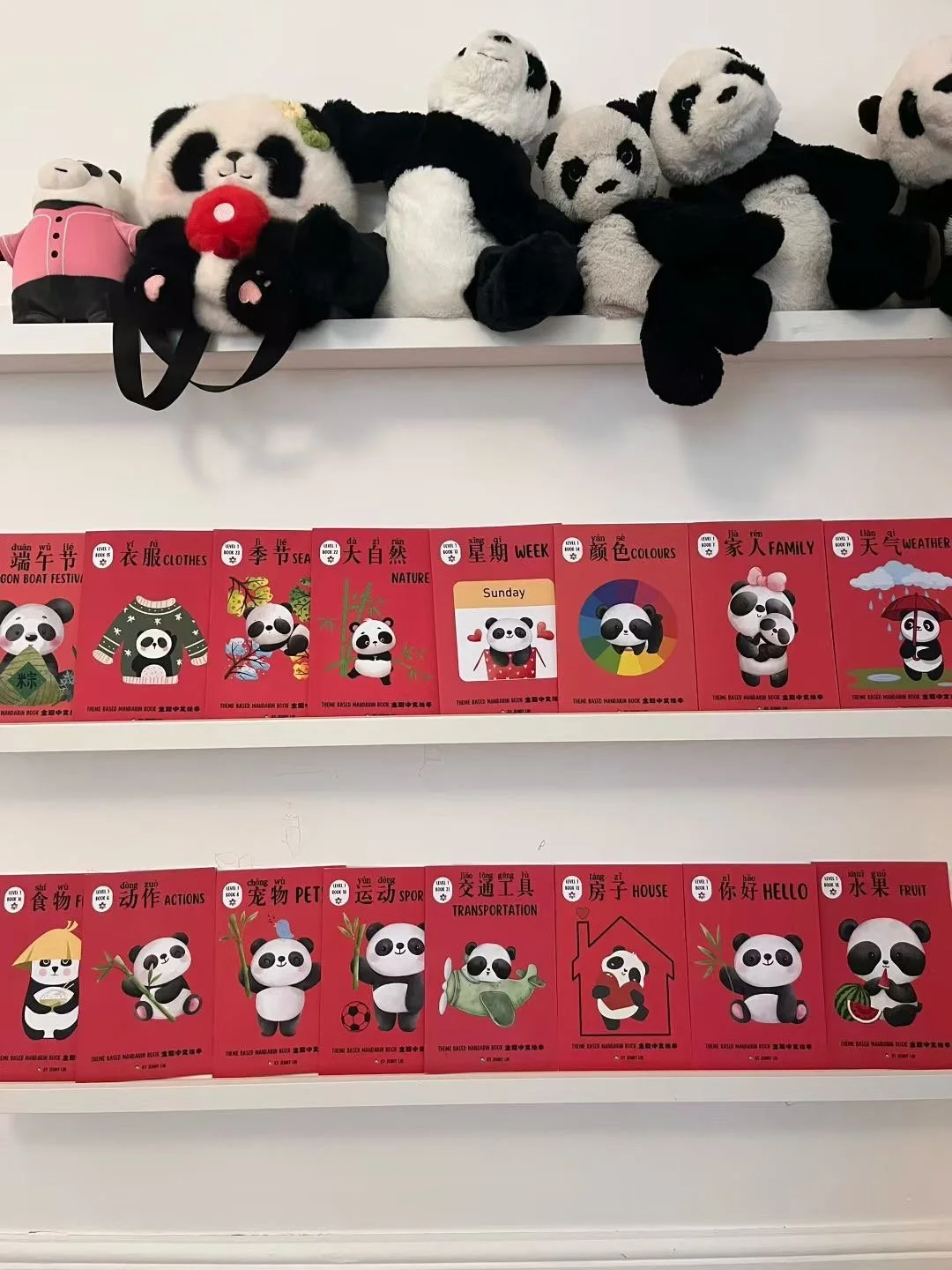
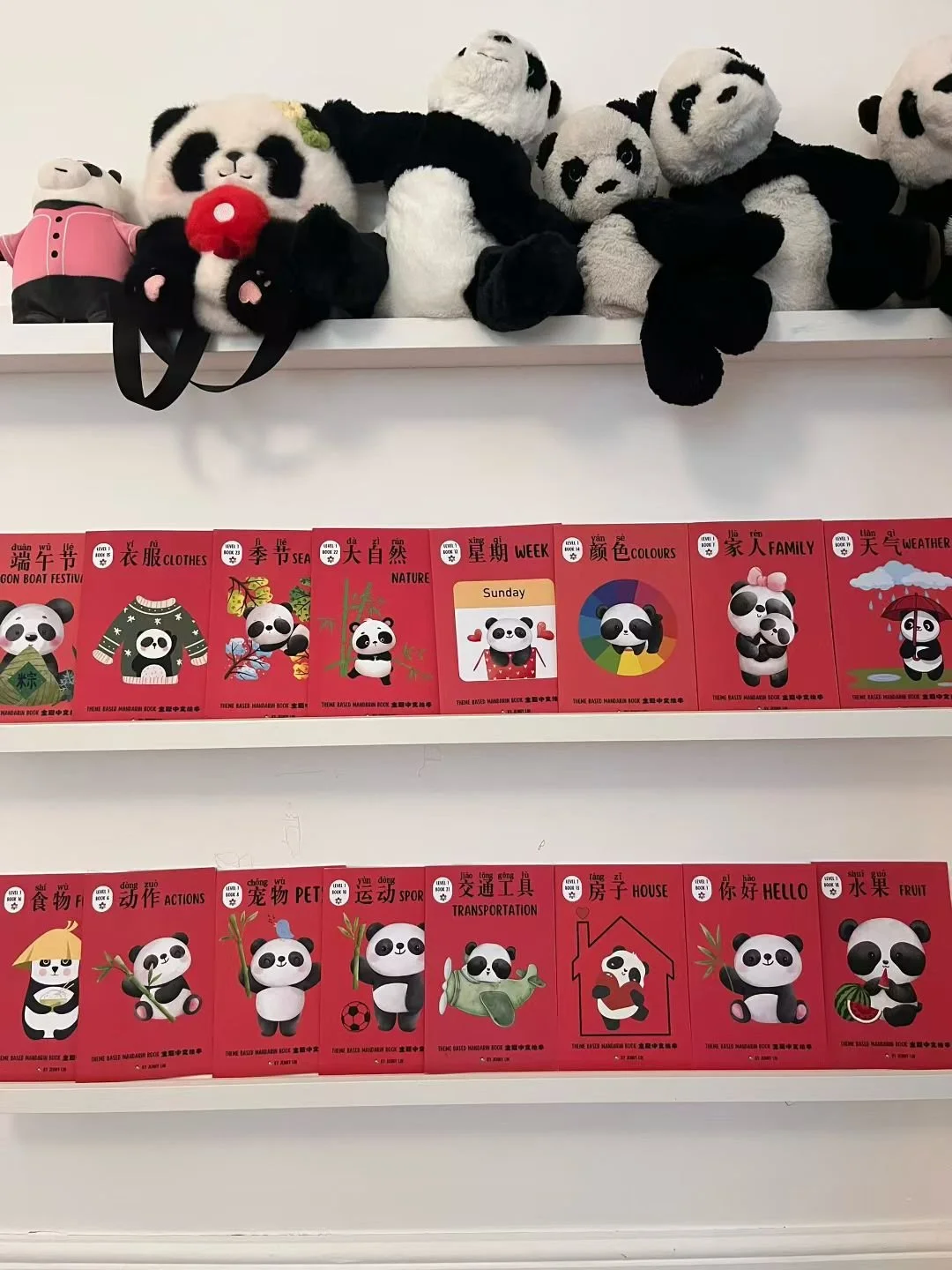
The Level 1 app includes 30 carefully selected themed picture books.
Each book comes with full audio narration.
Children can read along with the books, or simply listen to the stories.
For children aged 4–6, repeated listening is one of the most important ways of learning.
Through hearing the same stories again and again, they gradually become familiar with:
Common vocabulary
Daily expressions
Mandarin sentence patterns
Pronunciation and intonation
Even if they cannot yet read independently, they are still building language through continuous listening.
Often, it may seem like they are “just listening to a story,” but one day they suddenly begin to use a sentence they have heard many times before.
That is the power of language input.
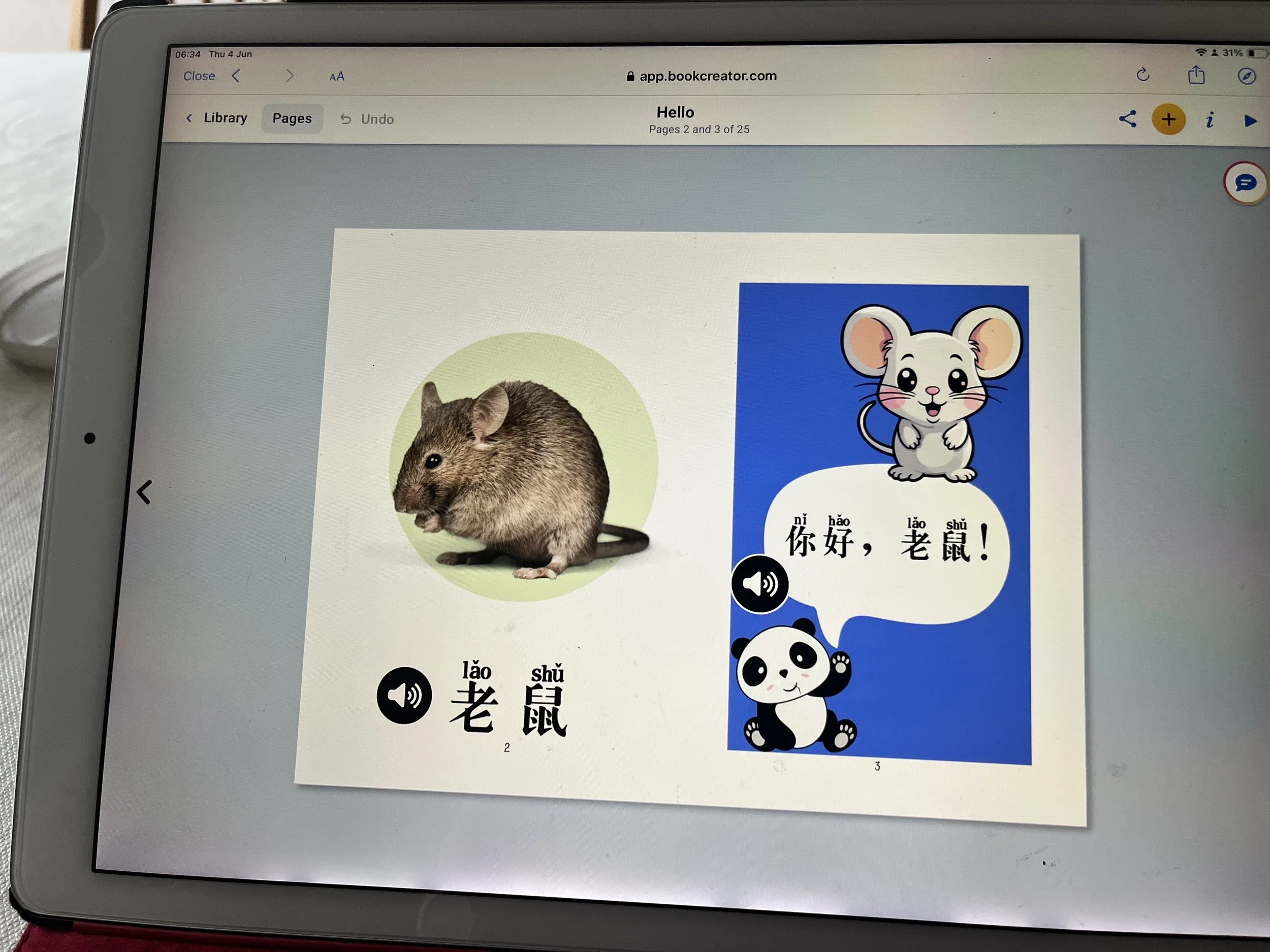
Part 2: Bilingual Picture Books
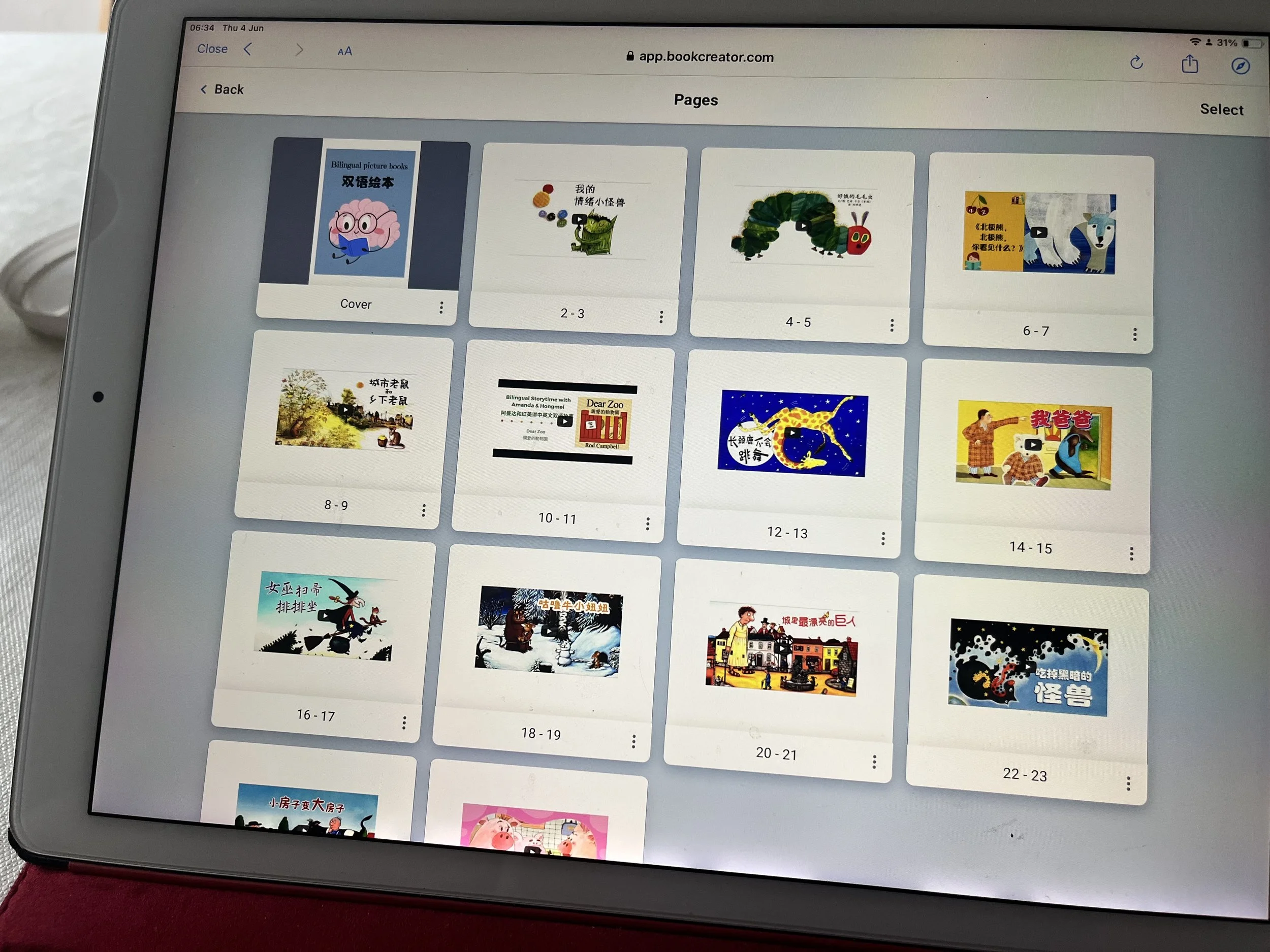
In addition to Mandarin picture books, we also provide bilingual versions.
This is because many children are already able to understand stories in English.
When a familiar English story is connected with Mandarin expressions, children can understand the meaning more easily and naturally build links between the two languages.
Bilingual books help children:
Understand story content
Expand Mandarin vocabulary
Build connections between English and Mandarin
Improve expressive ability in Mandarin
For families where Mandarin is not the first language, this is also a very supportive learning resource.
Even parents who do not speak Mandarin can still read and discuss the stories with their children.
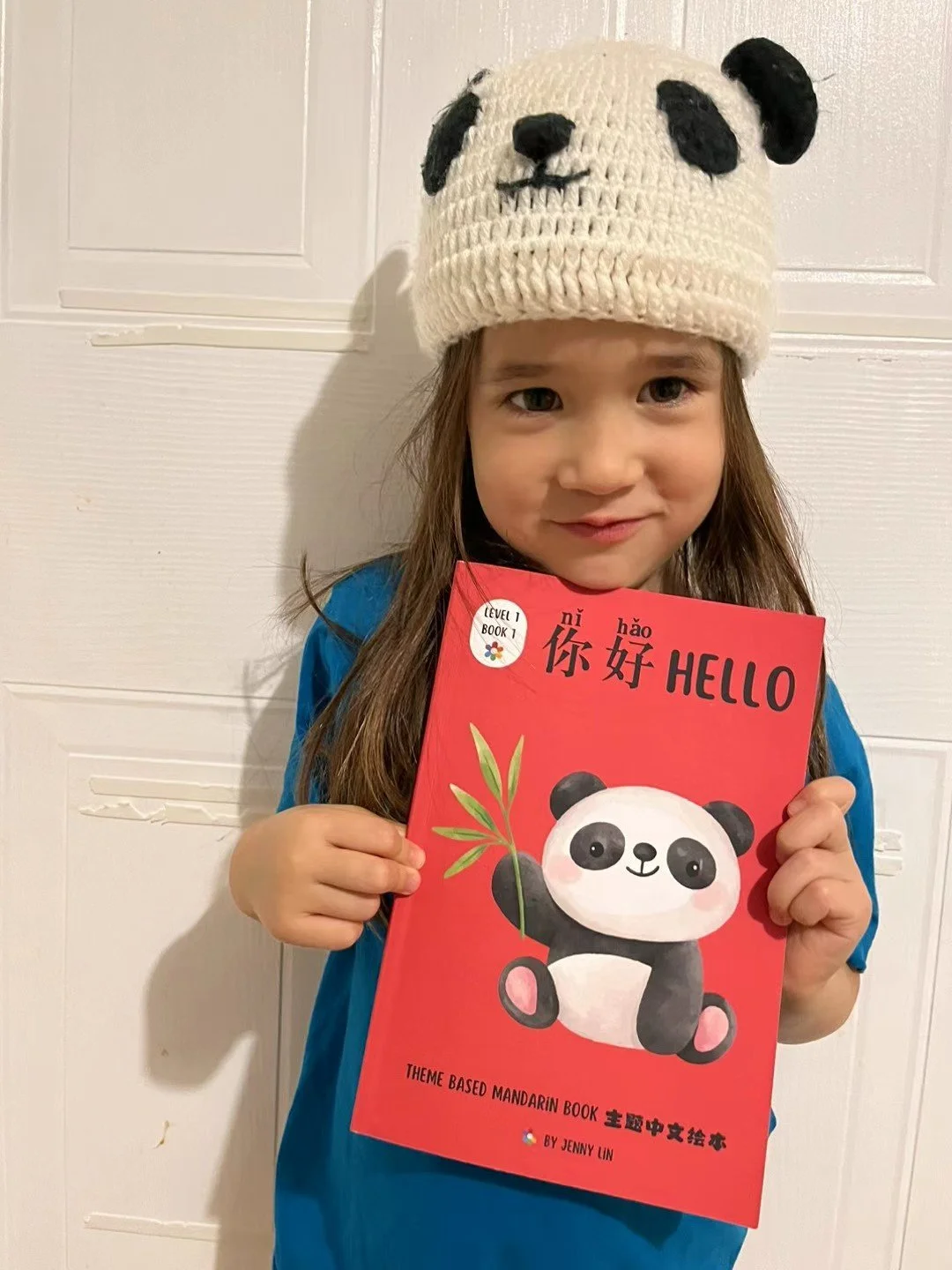
Part 3: Rich Video Resources
In addition to picture books and audio, we also provide a wide range of video materials for each topic.
Mandarin Songs
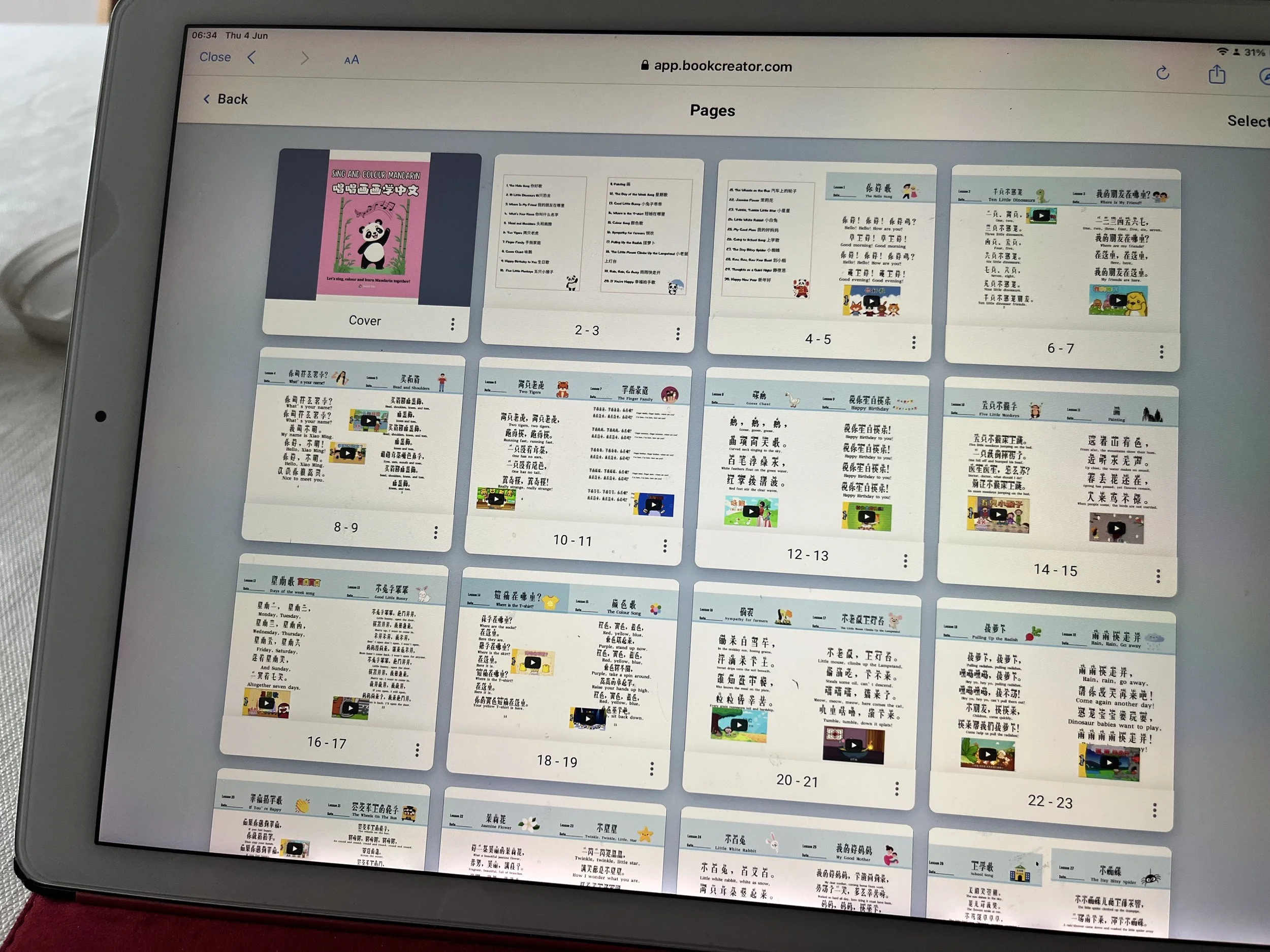
Each lesson includes related Mandarin songs.
Children learn through singing, repeating, and movement.
Songs are one of the most natural ways to develop language rhythm and fluency.
Many children gradually memorize entire songs without even realizing it, and later begin to use words from the lyrics in daily life.
Topic Vocabulary Videos
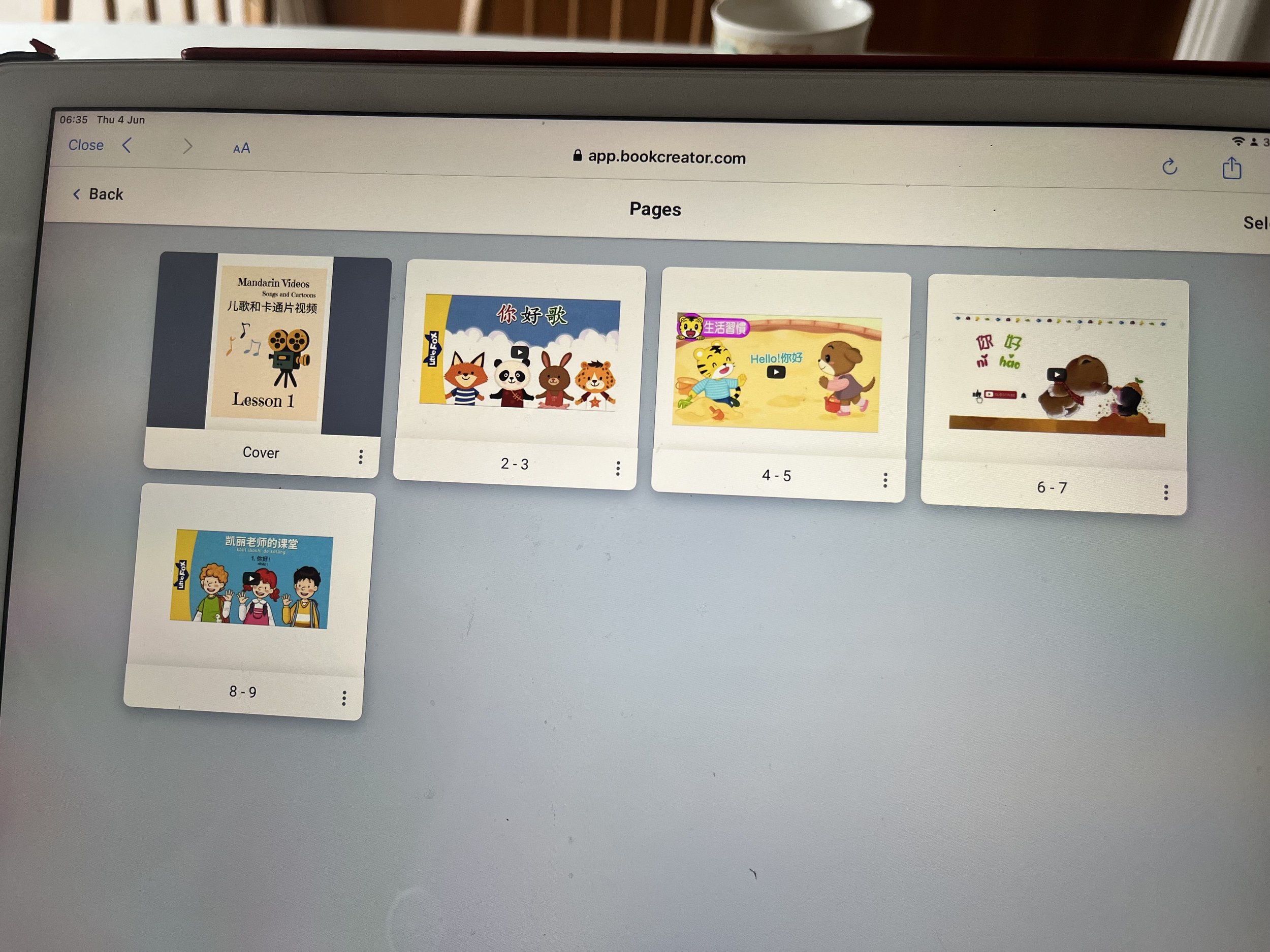
Each theme also includes vocabulary expansion videos.
Children are exposed to more words and expressions beyond the classroom content.
This helps them gradually build a richer vocabulary network.
Picture Book Videos
Through a combination of animation and storytelling, children can better understand the picture books.
With both visual and audio input, language becomes easier to remember.
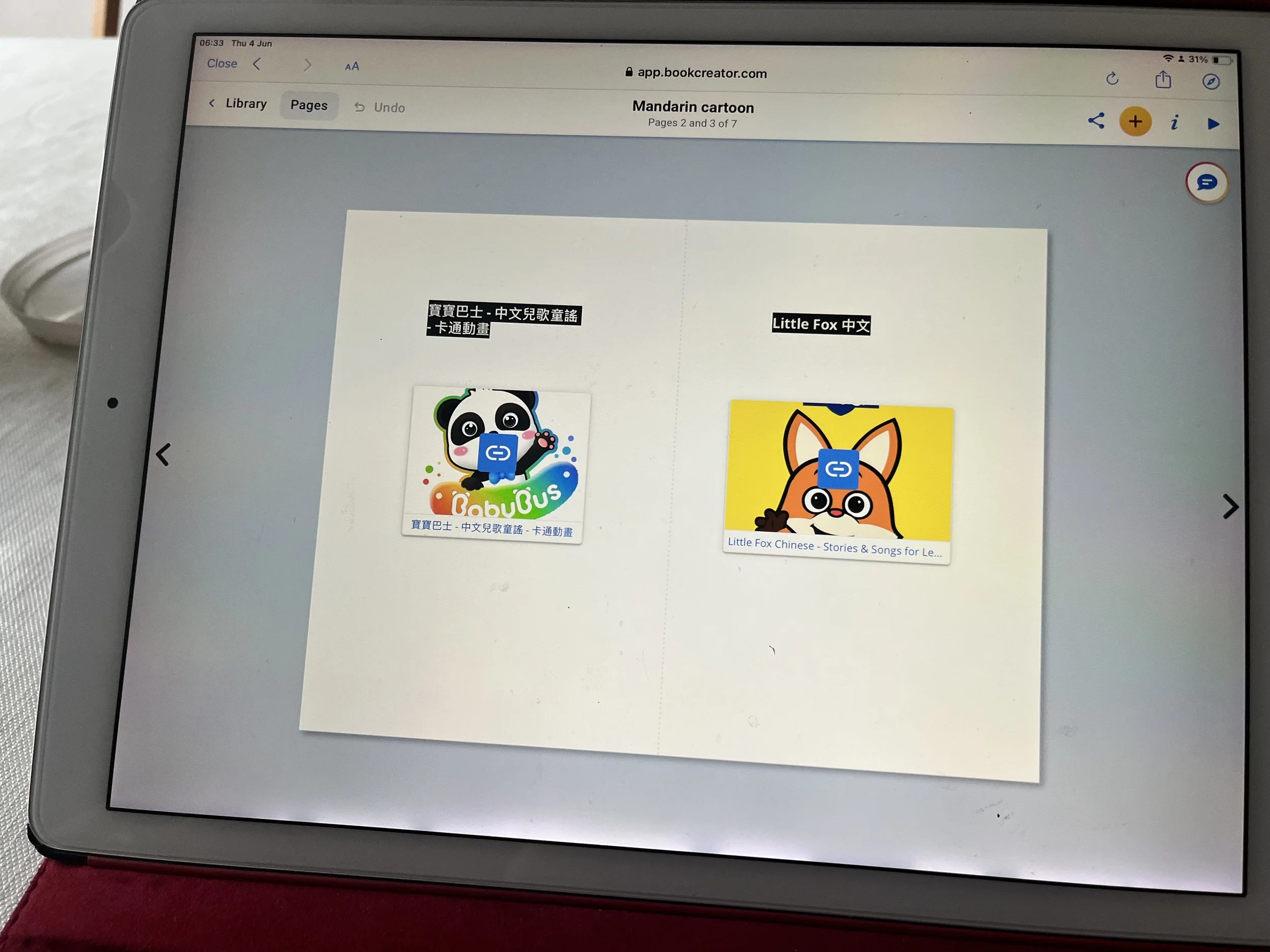
Mandarin Cartoons
We also carefully select Mandarin cartoons suitable for children aged 4–6.
Children naturally enjoy cartoons, and they contain a large amount of authentic, everyday Mandarin.
At this age, the more rich the input, the more natural the output becomes later.
Part 4: Pinyin Videos
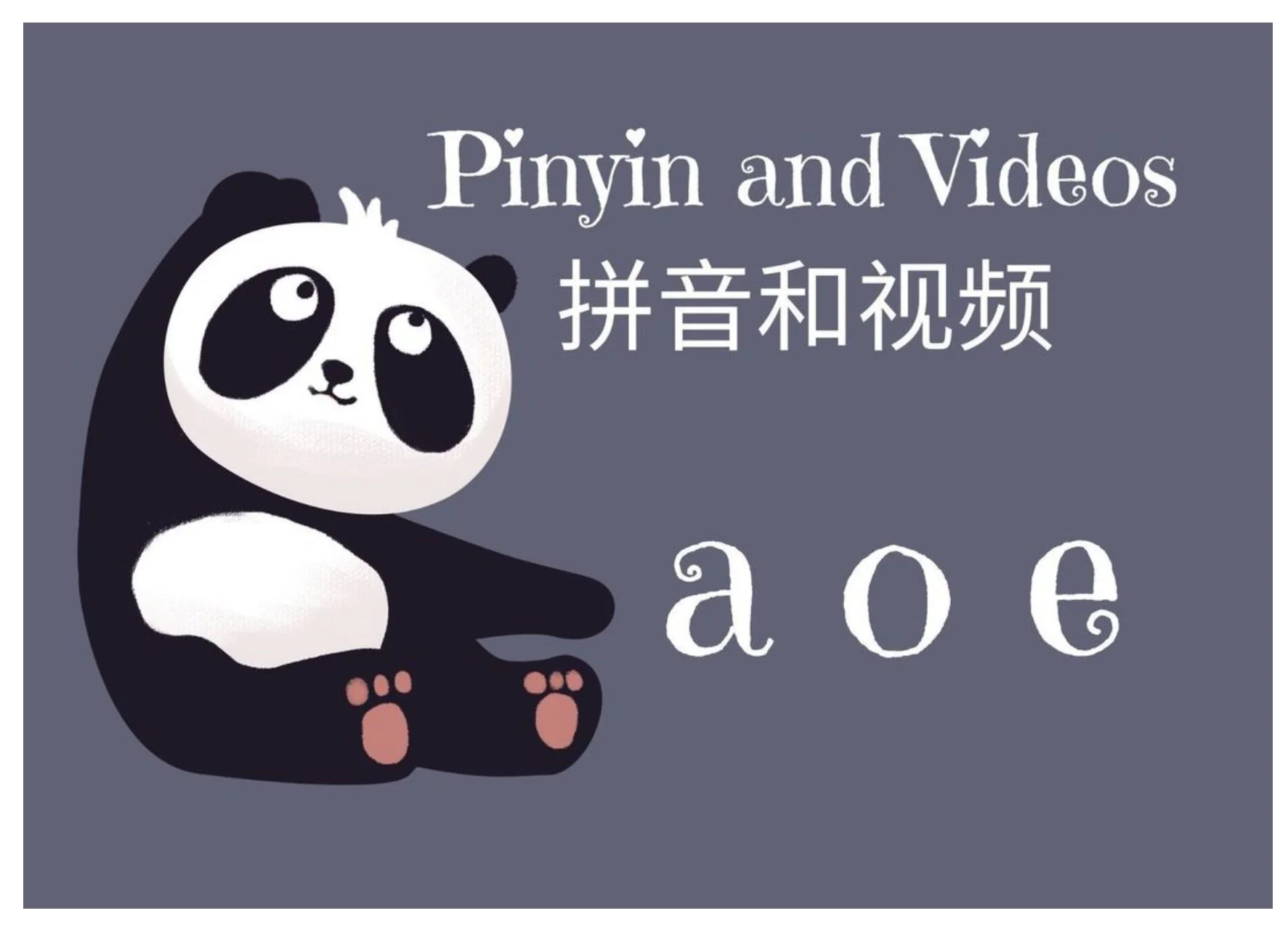
The app also includes pinyin video resources.
However, at Level 1, we do not place strong emphasis on formal pinyin learning.
This is because most children are already learning English phonics, and there are many similarities between phonics and Mandarin pinyin.
Therefore, we focus first on helping children build a sense of sound and language.
Pinyin videos are mainly designed to help children:
Recognize pinyin
Distinguish sounds
Connect sounds with symbols
Prepare for future pinyin learning
We want pinyin to be a helpful tool, not a source of pressure.
How We Learn at Home
Many parents ask me:
“What is the best way to use the app?”
For children aged 4–6, I do not recommend turning Mandarin learning into a strict routine or checklist.
At this age, attention spans are short and every child develops at a different pace.
Instead of long, structured study sessions, I prefer a relaxed and flexible approach where Mandarin naturally becomes part of daily life.
Daily Parent–Child Reading
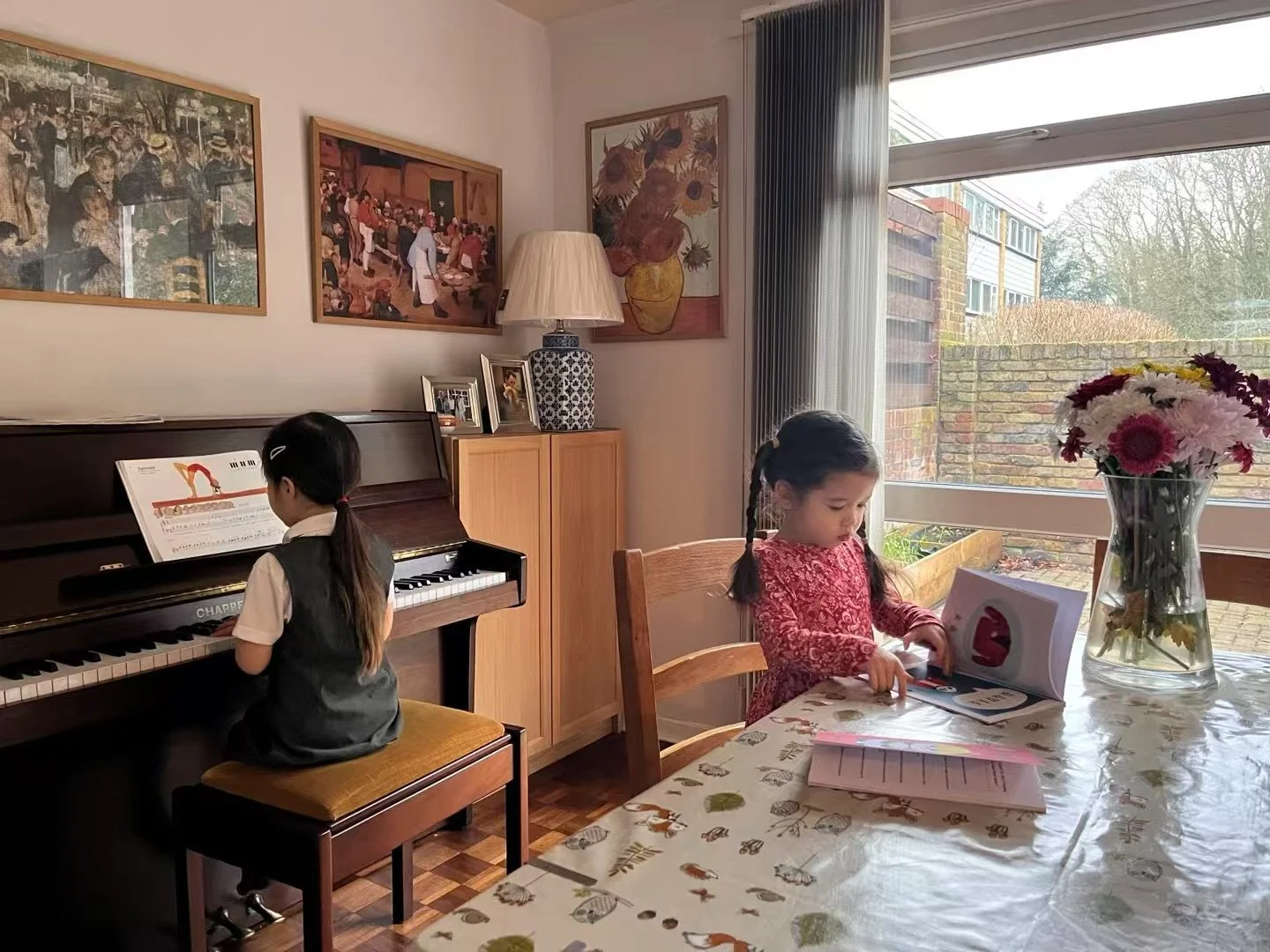
In our home, the most consistent habit is reading together.
We try to read picture books every evening.
Besides reviewing books from the week, we also let the children choose their favorite books.
Sometimes they choose the same book again and again.
In fact, repetition is extremely valuable for language learning.
Just a few minutes of reading each day not only provides steady input, but also builds a reading habit.
More importantly, it becomes a very special moment of connection between parent and child.
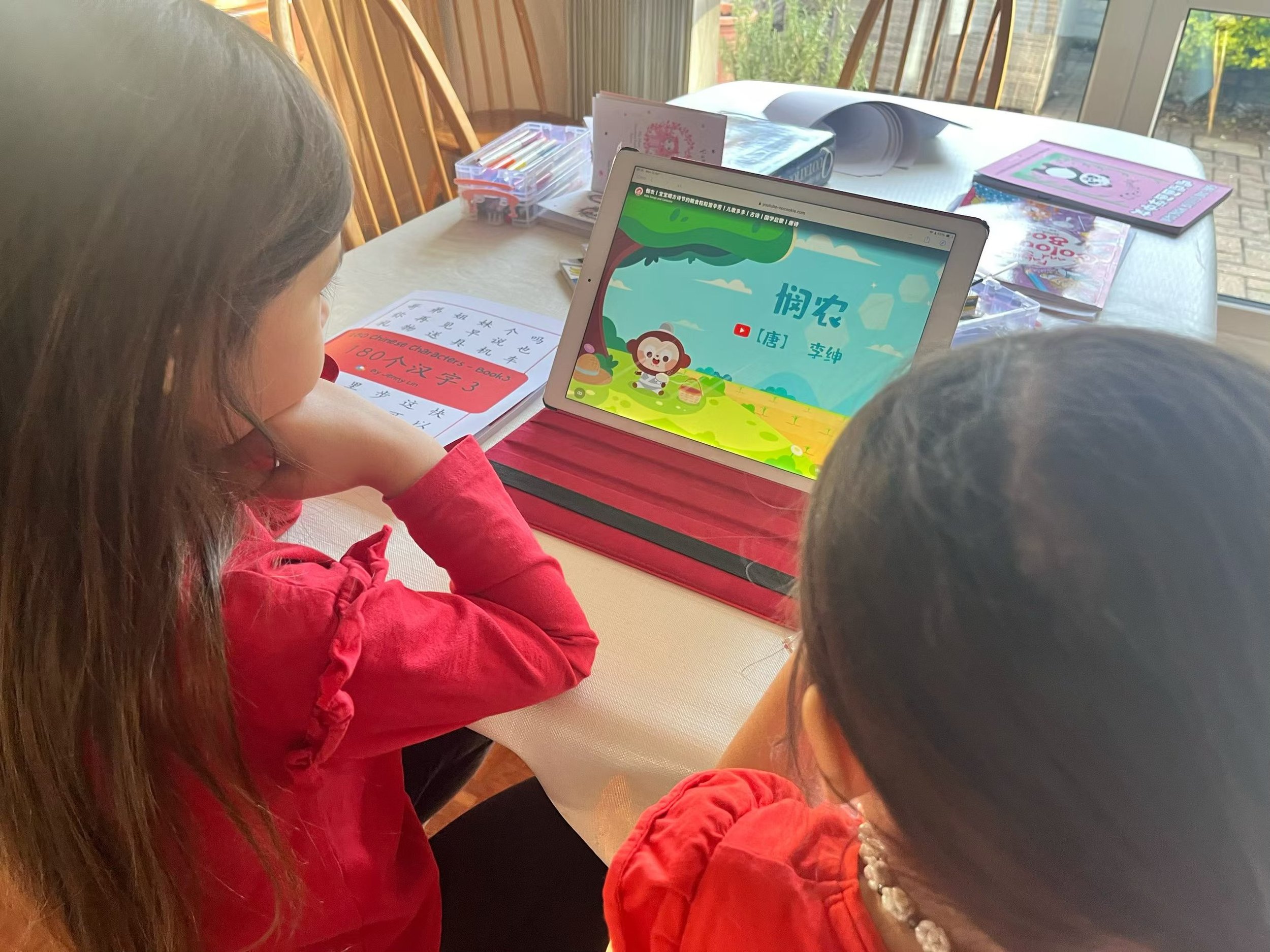
Flexible Video Learning
For video content in the app, I believe it does not need to be scheduled every day.
Each family can adapt it to their own rhythm.
In our home, for example, Fridays are our “Mandarin Day”.
On that morning before school, we spend about 20 minutes watching videos together.
Sometimes songs, sometimes topic videos, sometimes cartoons.
It feels like a fun activity, not a lesson.
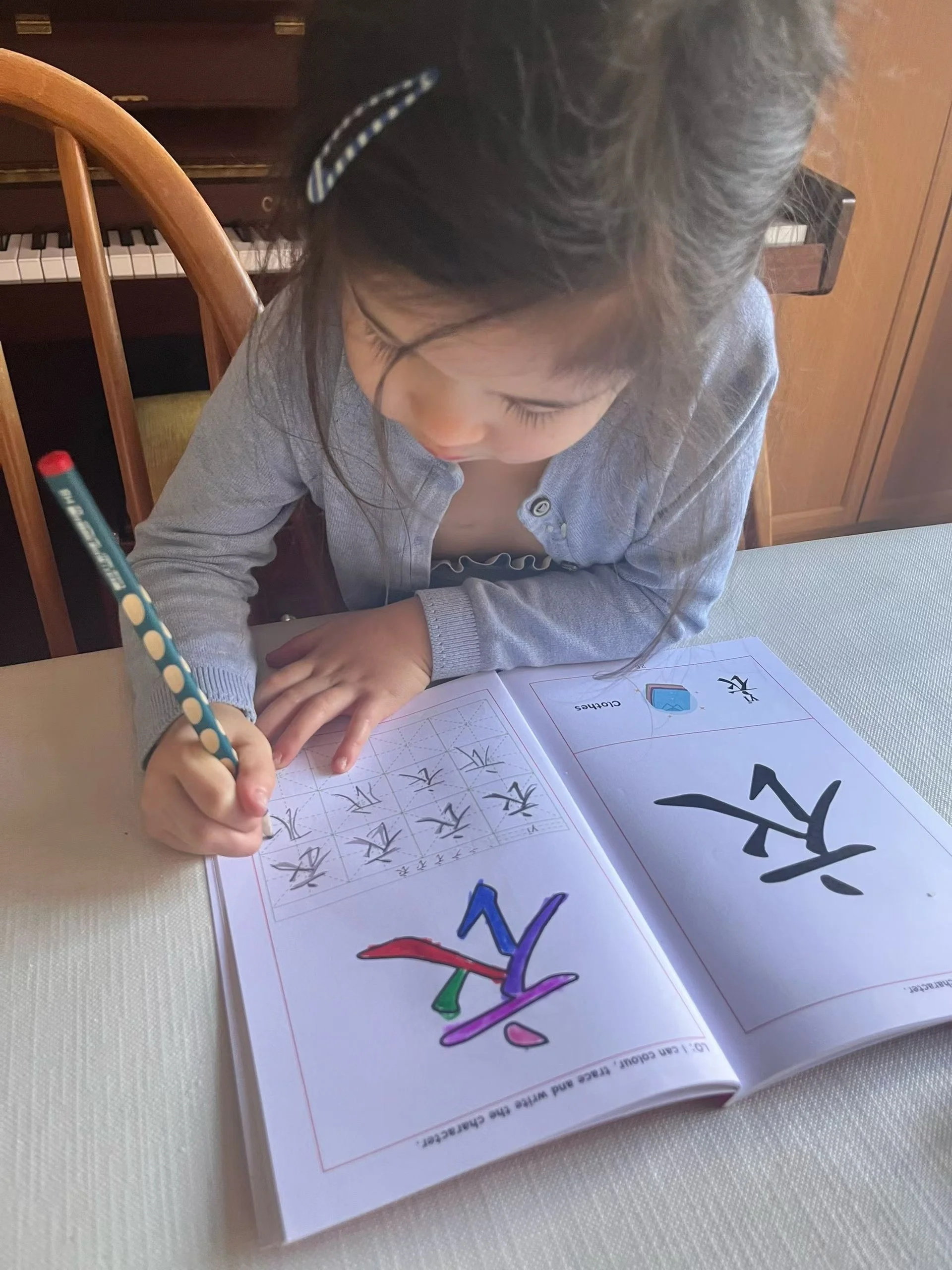
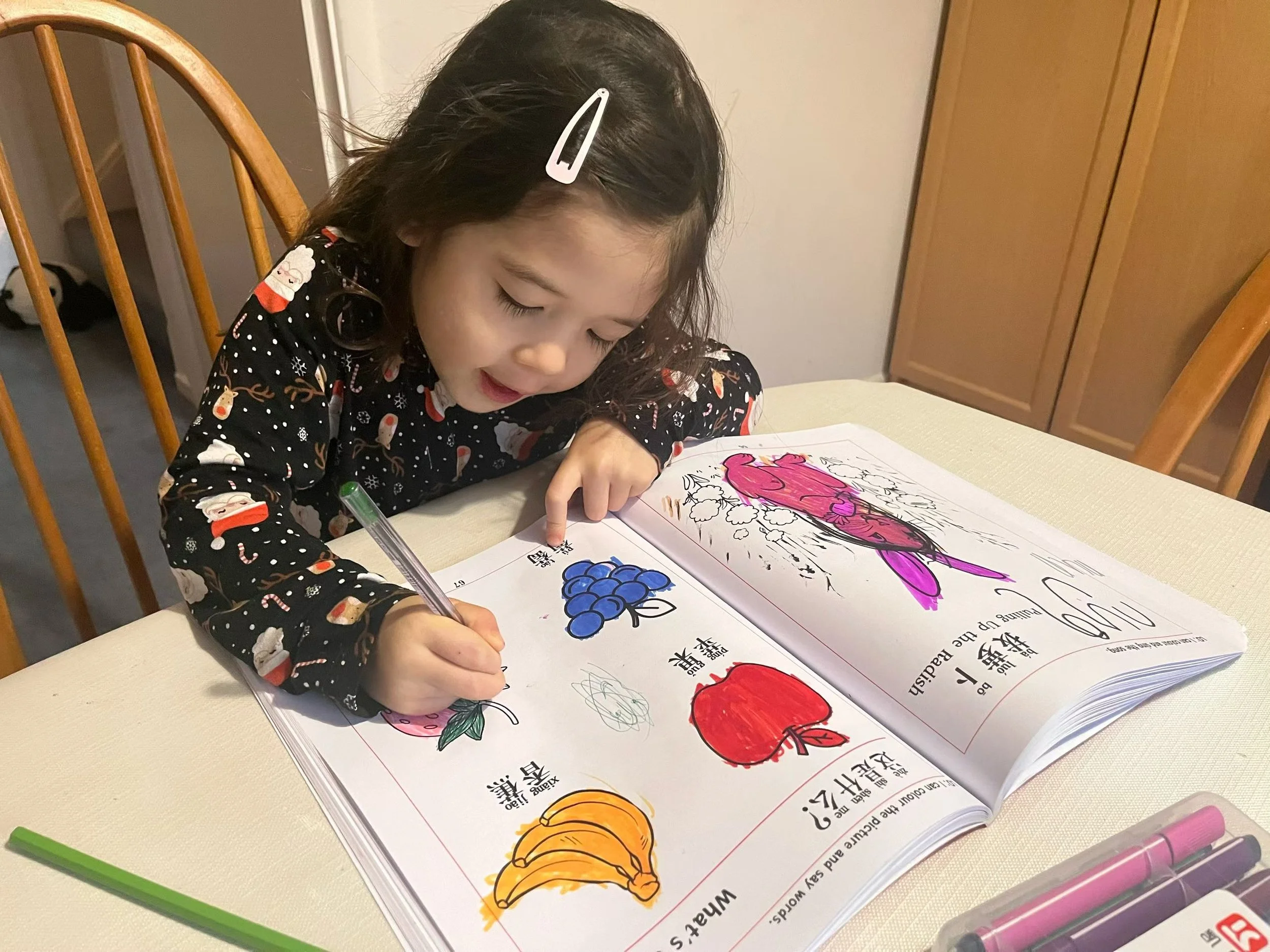
Writing Practice Should Not Be Forced
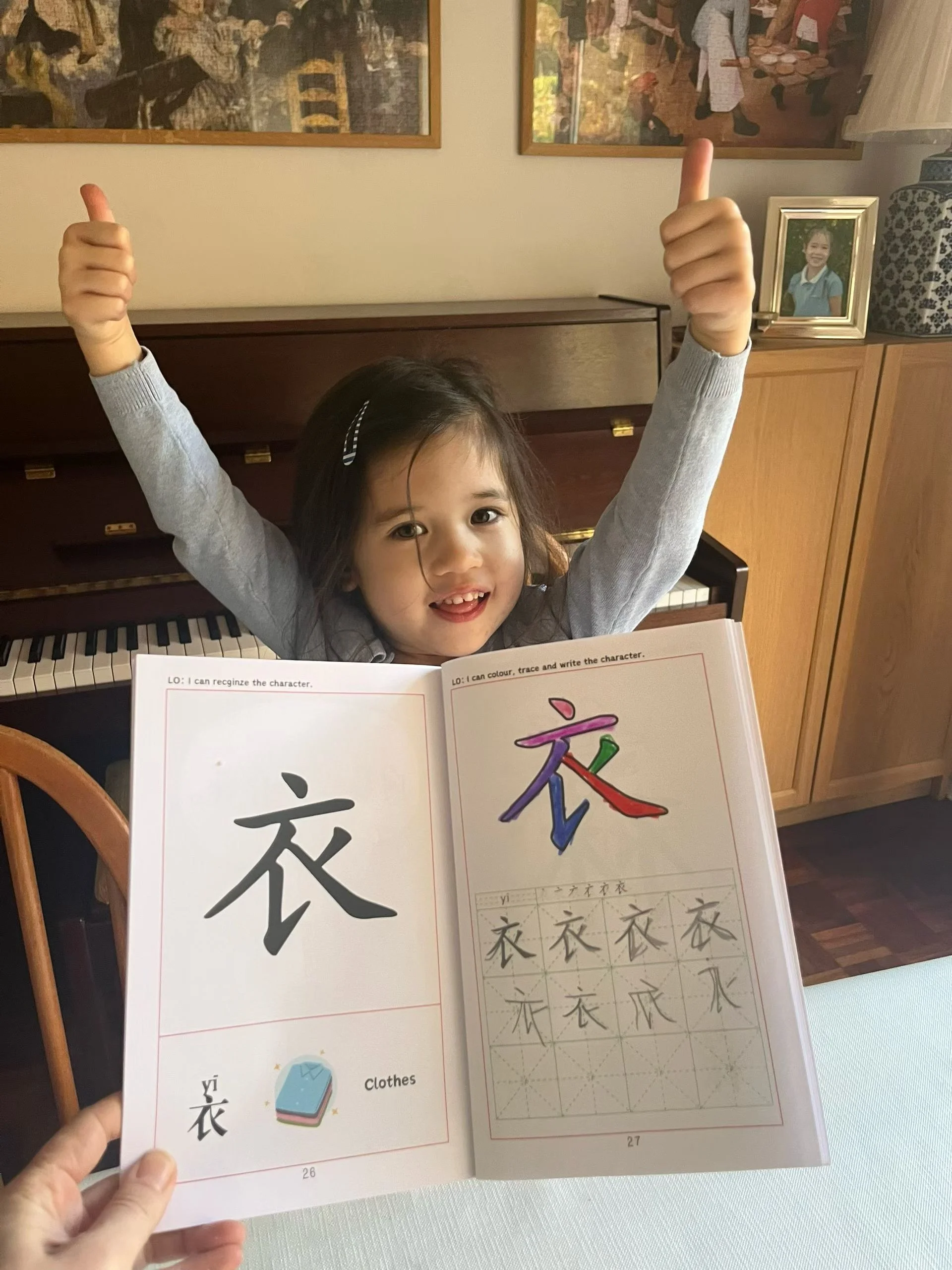
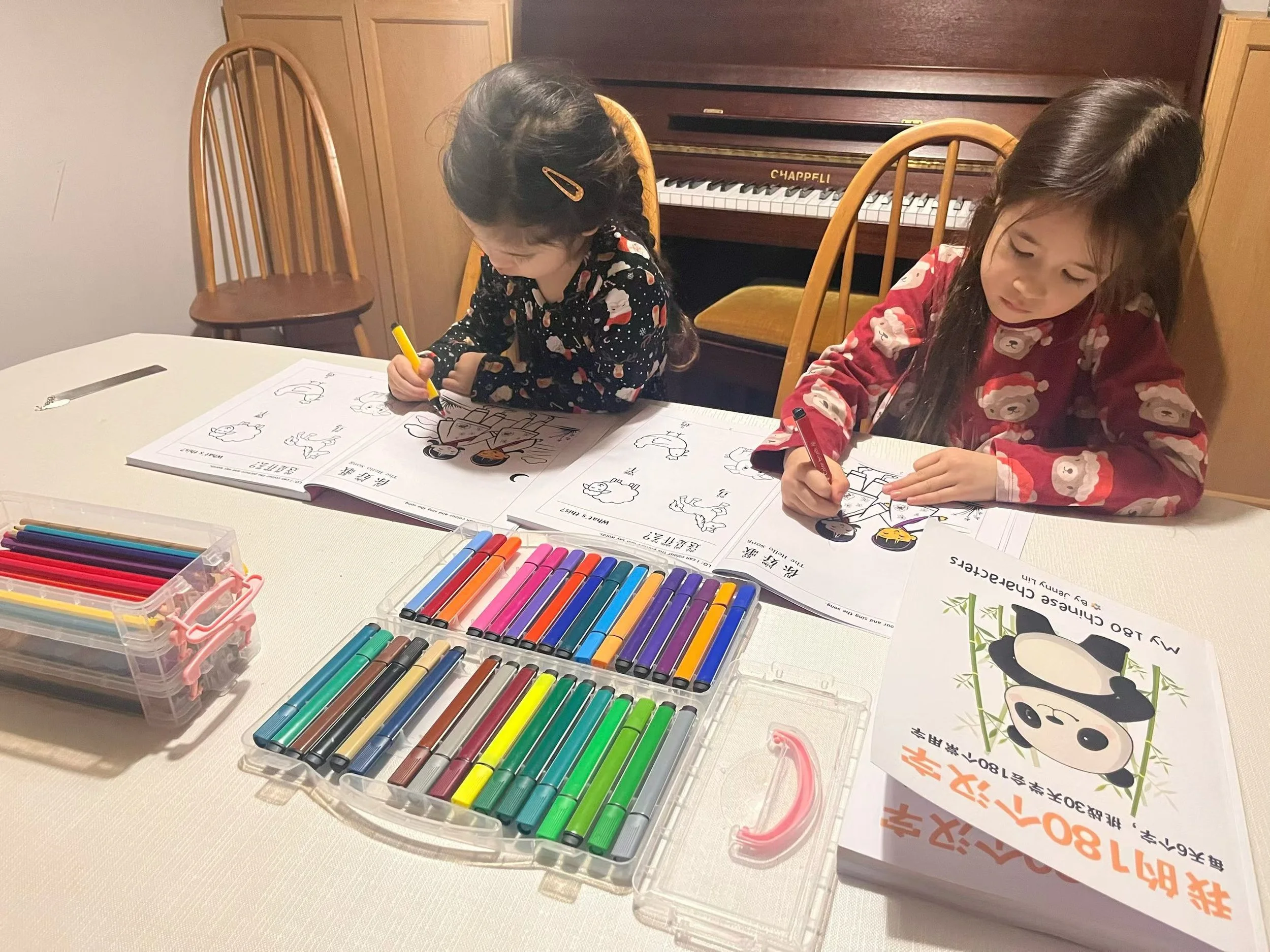
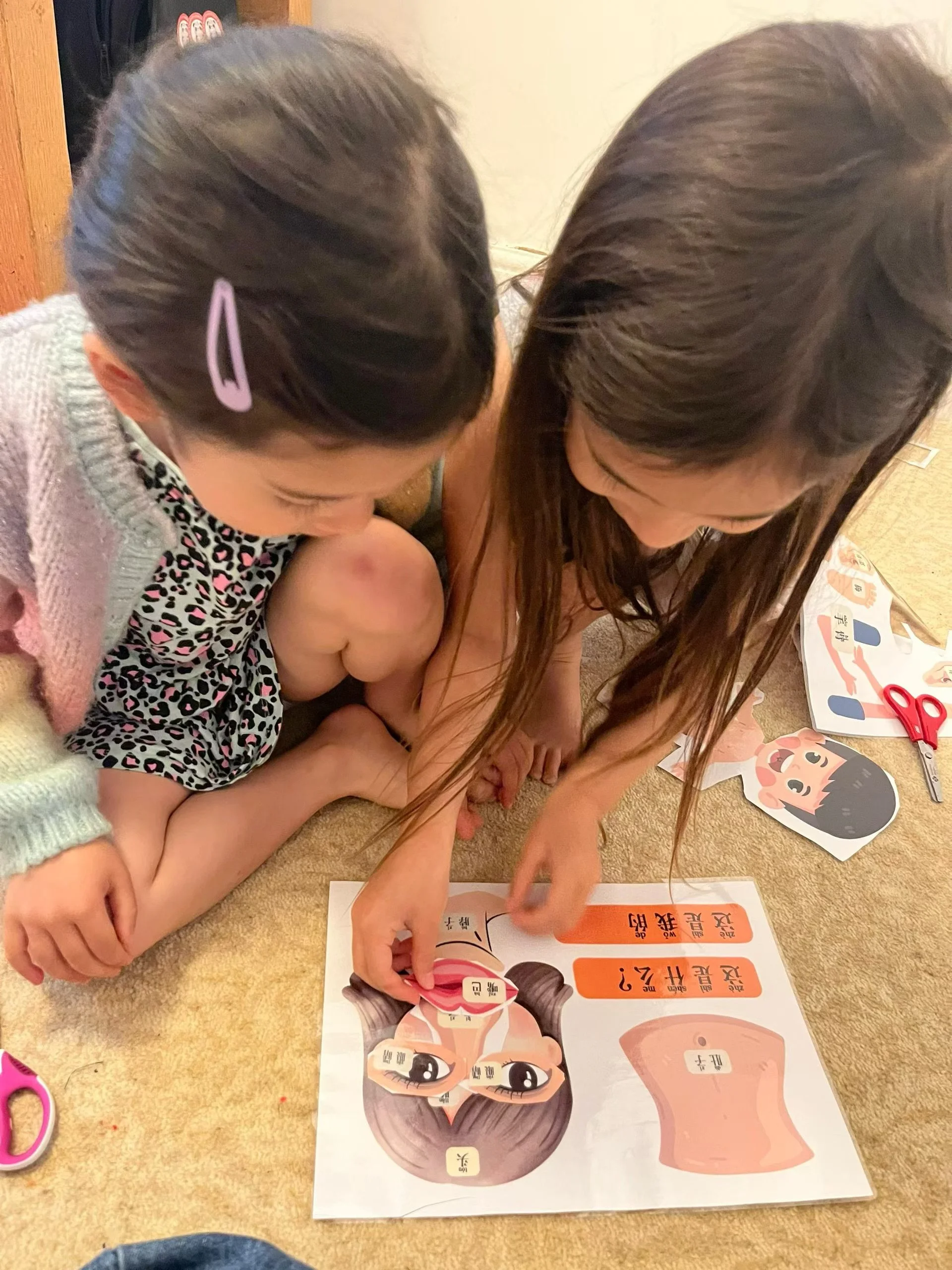
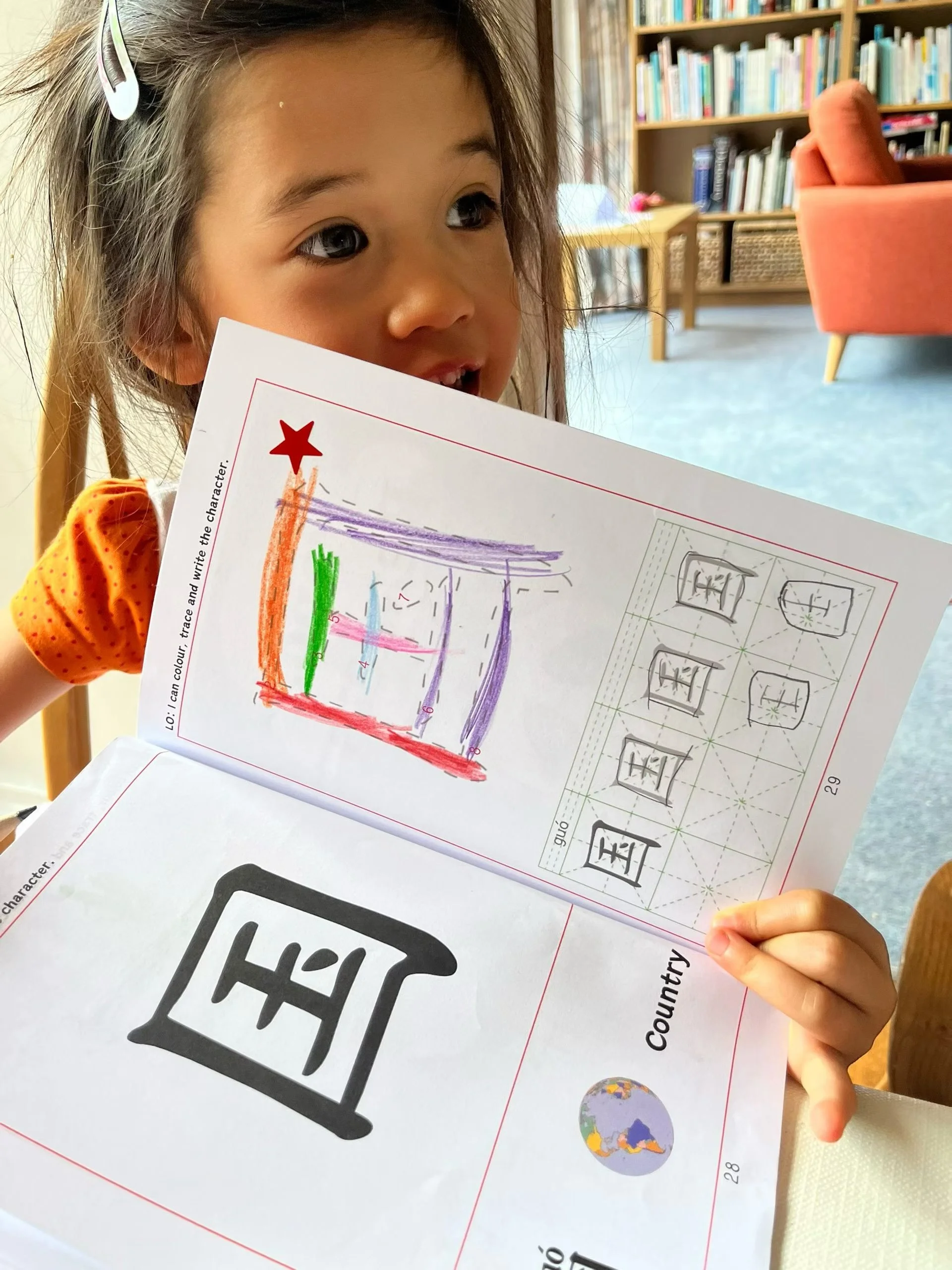
For handwriting and worksheets, I also prefer a natural approach.
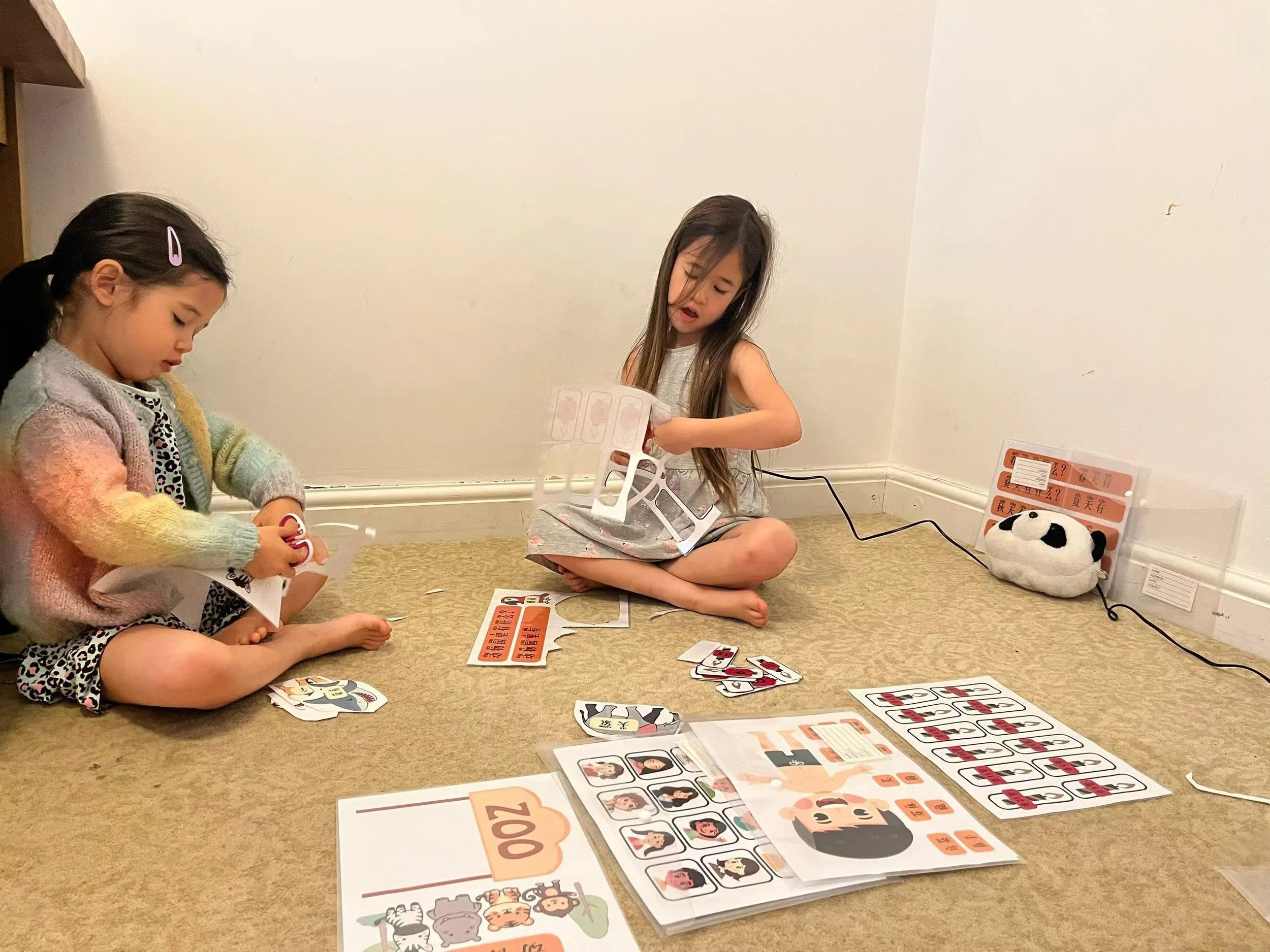
We simply keep the materials somewhere visible and easy to reach.
Sometimes the children pick them up and try a little writing.
Sometimes they just flip through and look at what they have learned.
At this age, maintaining interest is far more important than completing a set number of exercises.
Parental Support Matters Most
From my experience working with many families over the years, I strongly believe one thing:
For Level 1 learners, parental involvement matters more than any method or tool.
Whether it is listening to stories, reading books, singing songs, or watching cartoons, learning becomes much more effective when parents join in.
Children may not remember how many words they learned today.
But they will remember:
“Today I read a story with Mum.”
“Today I sang Mandarin songs with Dad.”
“Today we watched a Mandarin cartoon together.”
When learning becomes a joyful shared experience, children are much more willing to engage with Mandarin.
Final Thoughts
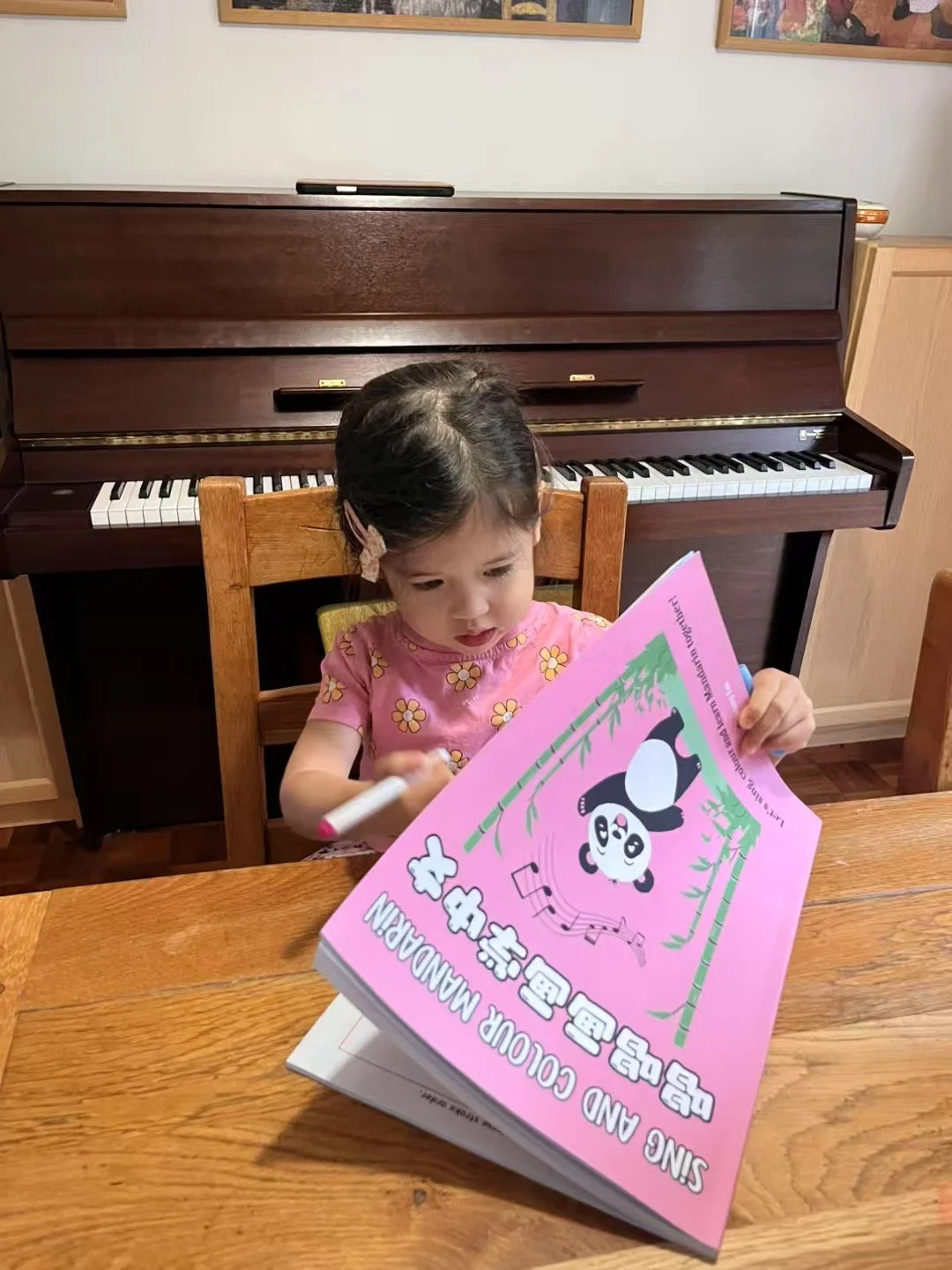
The Herts Mandarin Level 1 app is more than an extension of classroom learning.
It brings together picture books, audio, bilingual reading, songs, themed videos, and Mandarin cartoons to create a rich and engaging language environment.
For children aged 4–6, language grows through repeated listening, reading, and interaction.
There is no need to study for long hours every day.
There is no need to put pressure on yourself or your child.
Just a few minutes of reading each day, a few relaxed video sessions each week, and consistent gentle exposure to Mandarin are enough to help children gradually build confidence and language awareness.
Because language growth is never instant.
It slowly grows through stories, songs, and warm moments shared with parents.
— Herts Mandarin
每周一点点,中文慢慢长出来:我和孩子的 Herts Mandarin Level 1 在家学习体验
作为 Herts Mandarin 的创始人,同时也是一位妈妈,我经常会被家长问到:
“除了每周一次的中文课,在家里还能做些什么帮助孩子学习中文呢?”
尤其对于 4-6 岁的孩子来说,他们正处于语言发展的黄金时期。
这个阶段最重要的,并不是认识多少汉字,也不是完成多少练习,而是通过大量、持续且有趣的中文输入,帮助孩子建立语感、积累词汇,并培养对中文的兴趣。
因此,我们特别为 Level 1 的孩子设计了专属学习 APP,希望通过绘本、音频、儿歌、视频和卡通等丰富的内容,让孩子能够在轻松愉快的环境中持续接触中文。
Level 1 的学习目标
Level 1 是孩子中文学习的启蒙阶段。
在这个阶段,我们希望帮助孩子:
建立中文学习兴趣
培养中文语感
积累基础词汇和表达
提高听力理解能力
为未来的阅读和识字打下基础
对于成长在海外的孩子来说,每周一次的课堂时间其实非常有限。
而语言的发展需要大量重复的输入。
孩子听得越多,未来理解和表达中文就会越自然。
因此,我们设计 APP 的核心理念其实很简单:
让中文自然地出现在孩子的生活里。
第一部分:30本主题绘本与音频
Level 1 APP 中包含了 30 本精选主题绘本。
每一本绘本都配有完整音频。
孩子可以自己翻阅绘本,也可以跟着音频一起听故事。
对于 4-6 岁的孩子来说,反复聆听是最重要的学习方式之一。
通过一次又一次地听故事,他们会慢慢熟悉:
常用词汇
日常表达
中文句型
语音和语调
即使孩子暂时还不会阅读,他们仍然能够通过大量听力输入不断积累语言。
很多时候,孩子看似只是在听故事,但某一天却突然说出了曾经听过无数次的句子。
这就是语言输入的力量。
第二部分:双语绘本阅读
除了中文绘本之外,我们还特别提供了双语绘本。
这是因为很多孩子已经能够理解英文故事。
当熟悉的英文故事与中文表达结合时,孩子更容易理解内容,也更容易建立两种语言之间的联系。
双语绘本能够帮助孩子:
理解故事内容
增加中文词汇量
建立中英文连接
提升中文表达能力
对于非中文母语家庭来说,这也是非常友好的学习资源。
即使家长不会中文,也能够陪伴孩子一起阅读和讨论故事。
第三部分:丰富的视频资源
除了绘本和音频,我们还为每个主题准备了丰富的视频内容。
中文儿歌
每一课都有对应的中文儿歌。
孩子们可以通过唱歌、跟读和律动活动学习中文。
儿歌是培养语感最自然的方法之一。
许多孩子会在不知不觉中记住整首歌曲,并把歌词中的词汇运用到生活中。
主题词汇扩展视频
每个主题都搭配了相关词汇视频。
孩子能够在课堂内容的基础上,接触更多相关词汇和表达方式。
这样的扩展学习能够帮助孩子逐步建立完整的词汇网络。
中文绘本视频
通过动画和故事结合的方式,帮助孩子更容易理解绘本内容。
视觉与听觉同时输入,也能够帮助孩子更好地记忆语言。
中文卡通片
我们还特别精选了一些适合 4-6 岁孩子观看的中文卡通片。
孩子们通常非常喜欢卡通,而卡通片中包含了大量自然且真实的中文表达。
对于这个年龄阶段的孩子来说,中文输入越丰富,未来输出往往越自然。
第四部分:拼音视频
APP 中也包含拼音视频资源。
不过在 Level 1 阶段,我们并不会特别强调系统学习拼音。
因为大多数孩子已经开始学习英文自然拼读(Phonics),而中文拼音和自然拼读之间其实有许多相通之处。
因此,我们更希望孩子先建立中文语感和听音能力。
拼音视频主要帮助孩子:
认识拼音
听辨发音
建立声音与拼音之间的联系
为未来学习拼音做好准备
我们希望拼音成为帮助孩子学习中文的工具,而不是学习压力的来源。
我们家的真实学习方式
很多家长会问我:
“应该怎样使用 APP 效果最好呢?”
其实对于 4-6 岁的孩子来说,我并不建议把中文学习变成一项严格打卡的任务。
这个年龄阶段的孩子专注力有限,而且每个孩子的发展节奏都不同。
与其要求孩子固定学习很长时间,我更建议采用轻松、灵活的方式,把中文自然地融入生活。
每天坚持亲子阅读
在我们家,做得最好的一件事情就是坚持亲子阅读。
我们会尽量每天晚上拿出绘本。
除了复习这一周学习过的绘本之外,也会让孩子自己选择一本最喜欢的绘本。
有时候孩子会反复选择同一本书。
而事实上,重复阅读对于语言学习是非常有帮助的。
每天几分钟的亲子阅读,不仅能够帮助孩子获得稳定的中文输入,也能够培养阅读习惯。
更重要的是,这是一段非常珍贵的亲子时光。
视频学习可以更灵活
至于 APP 中的视频内容,我觉得不一定需要固定每天观看。
每个家庭都可以根据自己的生活节奏安排。
例如在我们家,每周五基本上是我们的 “Chinese Day”。
那天早上上学前,我会和孩子一起看大约 20 分钟的视频内容。
有时候是儿歌,有时候是主题视频,也有时候是中文卡通片。
孩子会觉得这是一项有趣的活动,而不是学习任务。
书写练习不必强求
对于书写和练习册部分,我也比较倾向于顺其自然。
我们会把练习册和学习材料放在孩子容易看到、容易拿到的地方。
有时候孩子会主动拿出来写一写。
有时候会翻开看看自己学过的内容。
对于这个年龄阶段的孩子来说,保持兴趣往往比完成多少练习更重要。
家长的陪伴比什么都重要
在过去几年和许多家庭的交流中,我越来越相信一件事情:
对于 Level 1 的孩子来说,家长的陪伴比任何学习方法都重要。
无论是听故事、读绘本、唱儿歌,还是看中文卡通片,如果家长能够一起参与,学习效果都会大大提升。
孩子未必会记住今天学了几个词语。
但他们会记住:
“今天和妈妈一起读故事。”
“今天和爸爸一起唱中文歌。”
“今天我们一起看中文卡通。”
当中文学习成为一种快乐的亲子互动时,孩子往往会更愿意主动接触中文。
写在最后
Herts Mandarin 的 Level 1 APP,不只是课堂学习的延伸。
它结合了绘本、音频、双语阅读、儿歌、主题视频和中文卡通,为孩子创造了一个丰富而有趣的中文输入环境。
对于 4-6 岁的孩子来说,语言能力的成长来自于一次次的聆听、阅读和互动。
不需要每天学习很久。
也不需要给自己太大的压力。
每天几分钟的亲子阅读,每周几次轻松的视频观看,再加上一点点持续的中文输入,就能够帮助孩子慢慢建立中文语感和学习信心。
因为语言的成长,从来都不是一蹴而就的。
它是在一个个故事、一首首儿歌,以及一次次温暖的亲子陪伴中,慢慢长出来的。
—— Herts Mandarin